Industry Perspective
Funding is often treated as a defining milestone for any startup. But in 2026, the journey from idea to capital has become more competitive, selective, and scrutiny-driven than ever before. Investors are exposed to more deals than they can meaningfully evaluate, which means decisions are made quickly—and often decisively.
Today, investors don’t just fund ideas. They fund clarity of thinking, discipline in execution, and realistic growth potential. Much like the evolution of pitch decks over the years, funding strategies now demand precision rather than ambition alone.
Platforms today help bridge this gap by connecting founders and investors through smart matchmaking, vetted opportunities, and strategic support that improves funding readiness.
Why Funding Strategy Matters More Today
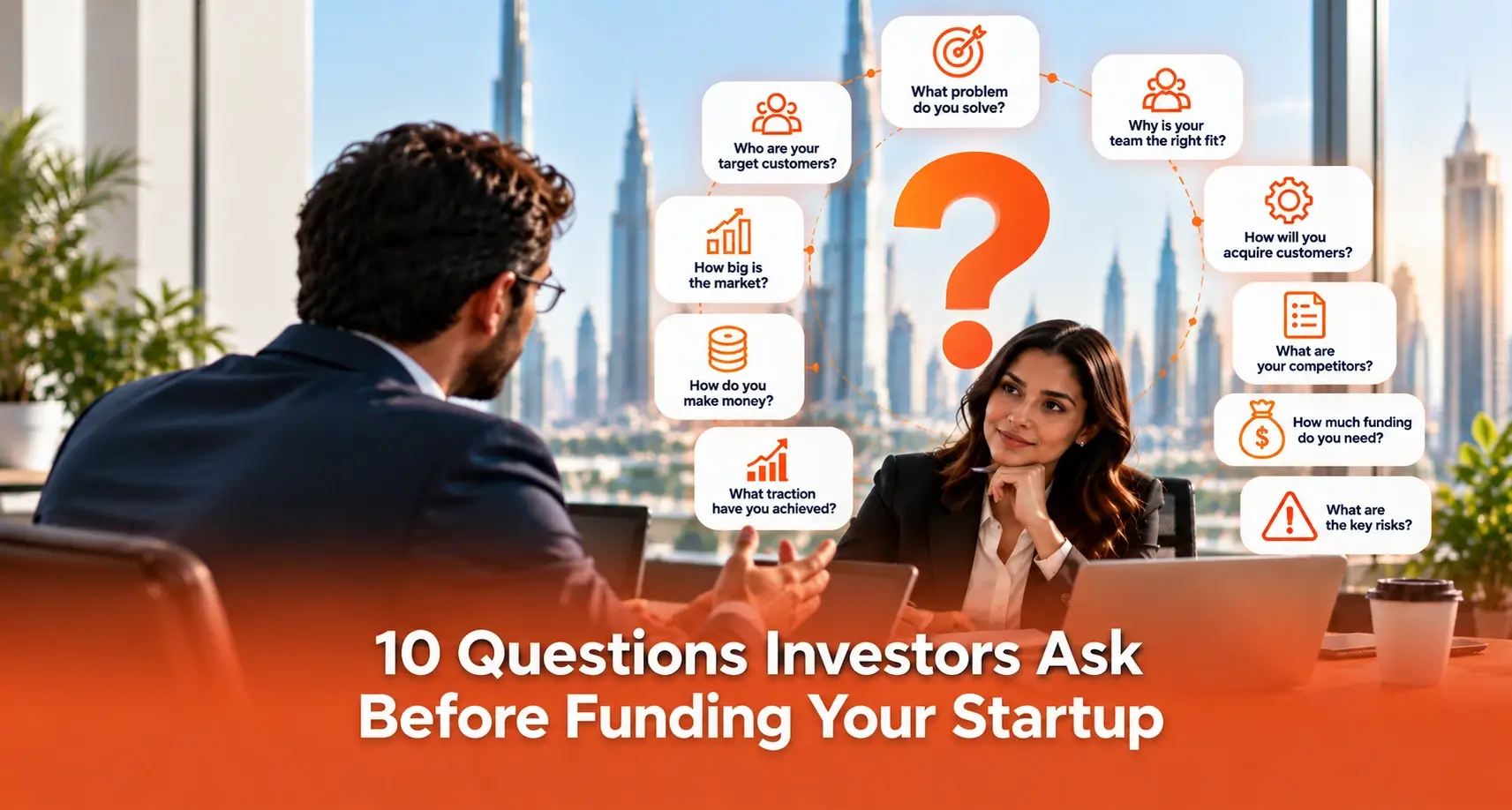
Investors rarely assess funding proposals slide by slide. Instead, they look for signals—how well founders understand their market, whether risks are acknowledged, and if execution plans feel achievable.
A single vague assumption or unclear goal can erode confidence faster than weak traction. This is why understanding how to avoid common startup funding mistakes matters just as much as having a strong product or roadmap.
Mistake 1: Raising Capital Without Clear Milestones
One of the most common startup funding mistakes is raising money without clearly defining what that capital is meant to achieve. When milestones are unclear, spending becomes unfocused and progress is difficult to measure.
How to Avoid It:
Before raising capital, founders should clearly outline what each funding round will deliver—whether it’s product validation, market expansion, or revenue growth. Clear alignment between funding goals and investor expectations is critical.
Mistake 2: Excessive Equity Dilution Too Early
Early-stage pressure often pushes founders to accept unfavourable terms. Giving away too much equity too soon weakens ownership, reduces long-term flexibility, and can raise concerns in future funding rounds.
How to Avoid It:
Raise only what is necessary and think several rounds ahead. Healthy founder ownership signals commitment and confidence to investors.
Mistake 3: Choosing the Wrong Investors
Not all capital adds value. Misaligned investors—those who lack industry understanding or push conflicting priorities—can slow execution and create internal friction.
How to Avoid It:
Founders should evaluate investors with the same diligence investors apply to startups. Alignment on vision, expectations, and involvement is critical.
Mistake 4: Ignoring Financial Fundamentals
Strong storytelling cannot compensate for weak financial understanding. Investors quickly lose confidence when founders lack clarity around unit economics, burn rate, or scalability.
How to Avoid It:
Develop a solid financial model and be prepared to explain assumptions clearly. Experienced investors look beyond numbers—they assess whether those numbers are grounded in reality and execution discipline.
Mistake 5: Relying on a Single Funding Path
Depending entirely on one funding source—such as venture capital—creates vulnerability. This risk is especially pronounced in startup funding in the USA, where market conditions and investor sentiment can shift rapidly.
How to Avoid It:
Diversify funding strategies by exploring angels, accelerators, strategic partnerships, and alternative capital sources. Broader exposure reduces dependency and increases flexibility.
Conclusion: Funding With Strategy Wins
Funding should strengthen a startup’s ability to execute—not distract it or dilute its long-term potential. In 2026, the most successful founders treat fundraising as a strategic decision, not a validation milestone.
By avoiding these core startup funding mistakes, founders can maintain control, build investor confidence, and focus on disciplined growth. Fundraising is not a checkpoint—it is an ongoing decision that shapes execution, culture, and long-term success.