Raising startup funding in 2026 is one of the most critical challenges founders face especially at the early stages. Capital is available, but attention is limited, and investors move fast. Founders who understand the journey from idea to investment clearly don’t just raise money faster they avoid months of stalled conversations and missed opportunities. If you’re looking for a practical startup funding guide, want to understand how to raise startup funding step by step, or are exploring startup funding in the USA, this guide is designed to walk you through the process the way modern SaaS and startup founders actually experience it.
Start With the Idea and Turn It Into a Fundable Opportunity
Every startup begins with an idea, but funding a startup in 2026 requires proof that the idea works in the real world. Investors are no longer convinced by concepts alone. They want to see that a real problem exists, that a specific group of users feels that pain, and that your solution has early demand. Early stage startup funding depends heavily on validation, whether that comes from an MVP, early adopters, pilot customers, or strong inbound interest. The clearer this validation is, the faster investors lean in.
Understand Your Funding Stage and Capital Requirements
One of the biggest friction points in fundraising comes from founders not being clear about their funding stage. Startup funding in 2026 is milestone-driven, and investors expect founders to know whether they are raising pre-seed, seed, or Series A capital. Beyond the label, what matters most is clarity around how much money is needed, what progress it will unlock, and how long it will last. US startup investors, in particular, move faster when founders show precise capital planning instead of vague growth goals.
Prepare Properly for Early Stage Startup Funding
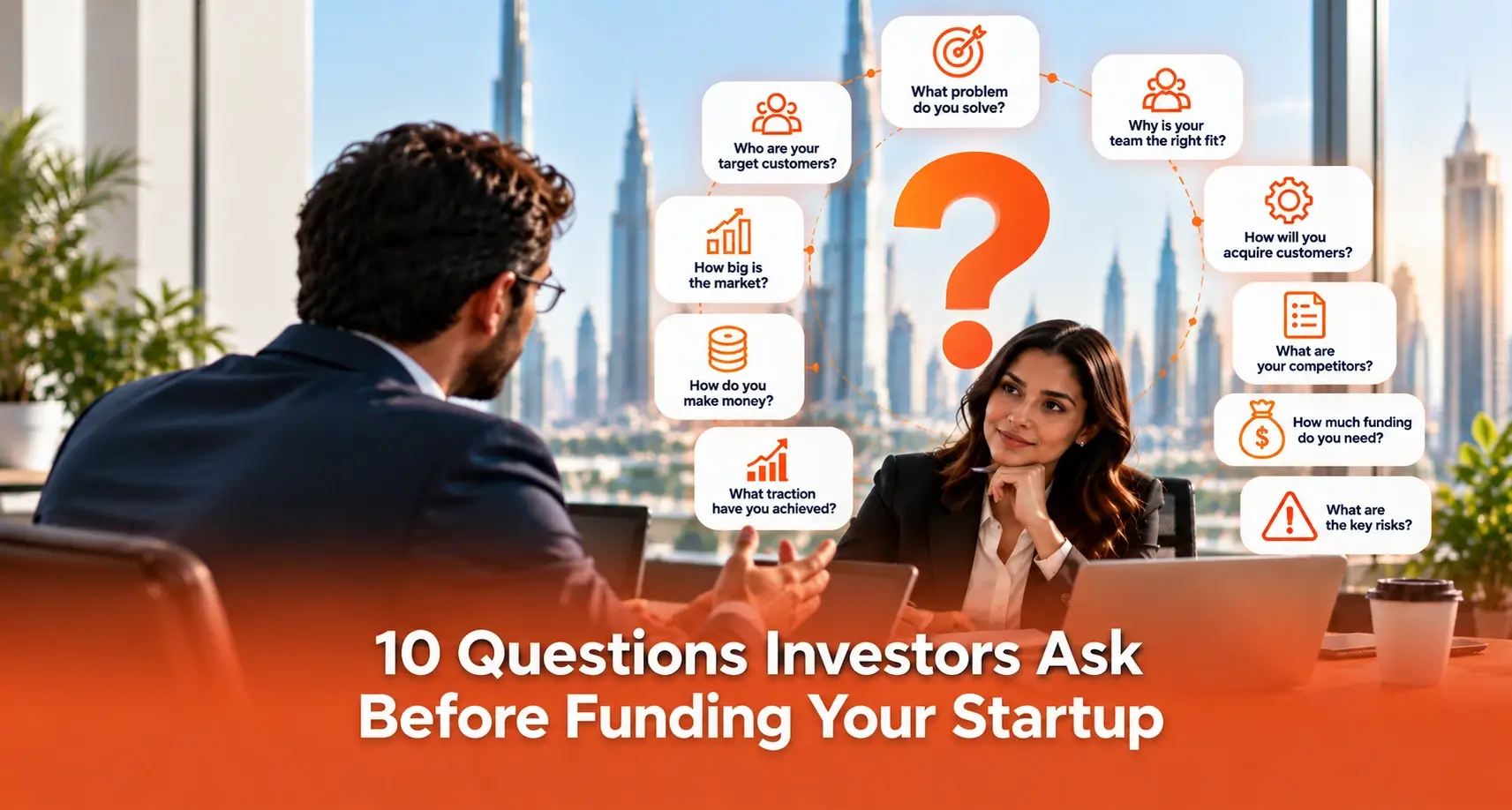
Early stage startup funding is less about scale and more about reducing uncertainty. Investors want to understand how your startup makes money, why users choose you, and whether the founding team is aligned and focused. You don’t need perfect numbers, but you do need a clear value proposition, a realistic business model, and a basic understanding of unit economics. In 2026, startups that show discipline and focus stand out immediately in a crowded funding landscape.
Build a Pitch Deck That Communicates Clearly
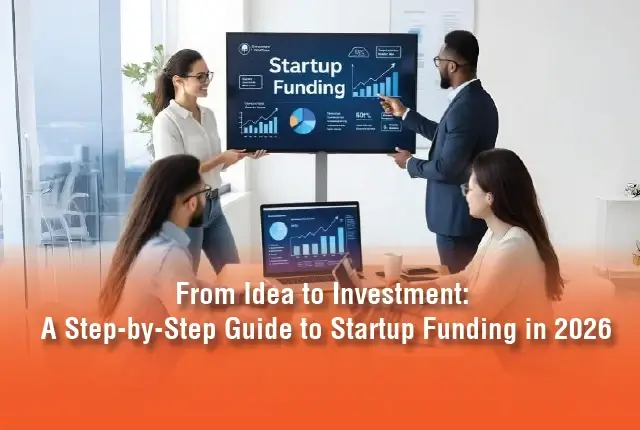
Your pitch deck is often the moment where interest turns into intent—or drops completely. A strong pitch deck doesn’t overwhelm investors with detail; it guides them through the story of your startup. It should clearly communicate the problem, solution, market opportunity, business model, traction, competitive advantage, financials, and the funding ask. In a world where investors review dozens of decks every week, clarity is what keeps them reading and asking the next question.
Learn How the Startup Investment Process Works
Many founders slow down their own fundraising because they don’t fully understand the startup investment process. Typically, the journey includes initial outreach or introductions, a first pitch meeting, follow-up discussions, due diligence, a term sheet, and legal closure. Startup funding in the USA can move quickly, but only when founders respond fast, share clean data, and communicate transparently at every stage. Understanding this flow helps founders stay proactive instead of reactive.
How to Raise Startup Funding in the USA in 2026
The US remains one of the most competitive and opportunity-rich markets for startup funding. US startup investors look for scalable markets, clear monetization paths, strong founder-market fit, and early proof of execution. In 2026, even international founders are raising startup funding in the USA by focusing on clarity, traction, and a strong narrative around why their startup can win in the market. The better you understand investor expectations, the faster conversations move forward.
Move From Investment to Execution
Raising capital is not the finish line—it’s the transition into execution mode. Once funding is secured, investors shift their focus from potential to delivery. Founders must execute on promised milestones, manage burn rate carefully, build the right team, and maintain consistent investor communication. Startups that use capital responsibly build trust, which directly impacts future fundraising speed and valuation.
Conclusion: From Idea to Investment in 2026
Startup funding in 2026 rewards founders who are prepared, clear, and disciplined. There are no shortcuts, but there is a process. By following this step by step startup funding guide, founders can move from idea to investment with confidence and control. Whether you’re navigating early stage startup funding or exploring startup funding in the USA, understanding how the system works gives you a real edge—and helps you raise capital faster, smarter, and on better terms.