
Finding the right source of capital is one of the most important decisions a founder makes. In 2026, startups have more startup funding options than ever, but choosing between individual investors and institutional funds can significantly influence how a business grows.
Understanding angel investors vs venture capitalists helps founders evaluate not only how much funding they can raise, but also what each investor can bring to the business. From early stage validation to rapid expansion, the right funding partner depends on the startup's stage, goals, market, and capital requirements.
Understanding Angel Investors
Angel investors are typically individuals who invest their own money in startups. They often support businesses during the early stages, when founders may have an idea, MVP, initial customers, or early revenue but limited operating history.
For many founders, angel investors for startups can provide more than financial support. Experienced angels may offer industry knowledge, mentorship, strategic introductions, and access to valuable networks.
Angel funding can also be more flexible than institutional investment, particularly when founders are still proving their business model.
Understanding Venture Capitalists
Venture capitalists manage investment funds and invest in startups they believe have significant growth potential. Unlike angel investors, venture capital firms typically invest capital raised from external investors and operate with specific investment strategies.
Venture capital for startups is generally more suitable for companies that have demonstrated traction and are ready to scale aggressively. VC firms may provide larger amounts of capital along with strategic guidance, hiring support, partnerships, and access to broader business networks.
However, venture capital can also involve greater expectations around growth, reporting, governance, and future returns.
Angel Funding vs VC: What Is the Difference?
The key difference between angel funding and VC investment often comes down to stage, investment size, expectations, and involvement.
Angel investors may invest earlier because they can make decisions based on their individual judgment. Venture capital firms typically have a more structured investment process involving due diligence, investment committees, and detailed growth analysis.
When considering angel funding vs VC , founders should look beyond the size of the cheque. The investor's expertise, network, expectations, decision making process, and long term relationship with the company can be equally important.
When Should Startups Consider Angel Investors?
Angel investment can be particularly useful when a startup is still developing its product or validating the market.
Founders may consider angels when they need capital to:
- Build or improve an MVP
- Hire an initial team
- Acquire early customers
- Validate market demand
- Develop partnerships
- Reach important early milestones
Angel investors can be especially valuable when the business is not yet ready to meet the growth requirements of traditional venture capital.
When Is Venture Capital a Better Choice?
Venture capital can become attractive once a startup has strong evidence that its business model works and significant growth opportunities are available.
VC funding may help companies expand into new markets, build larger teams, invest heavily in technology, increase customer acquisition, or scale operations quickly.
However, founders should understand that venture capital is generally designed for high growth businesses. Not every successful startup needs VC funding, and raising institutional capital can create expectations around growth and future fundraising.
Angel Investment vs Venture Capital: Which Is Better?
There is no universal winner in angel investment vs venture capital . The better option depends on what the startup needs at its current stage.
Angel investors may be the stronger choice for founders seeking early capital, flexibility, mentorship, and personal investor relationships.
Venture capital may be more appropriate for startups with proven traction, large market opportunities, and ambitious plans requiring substantial capital to scale.
The right question is not simply which investor offers more money. It is which investor provides the right combination of capital, expertise, network, and strategic support for the next stage of the business.
What Investors Look for in 2026
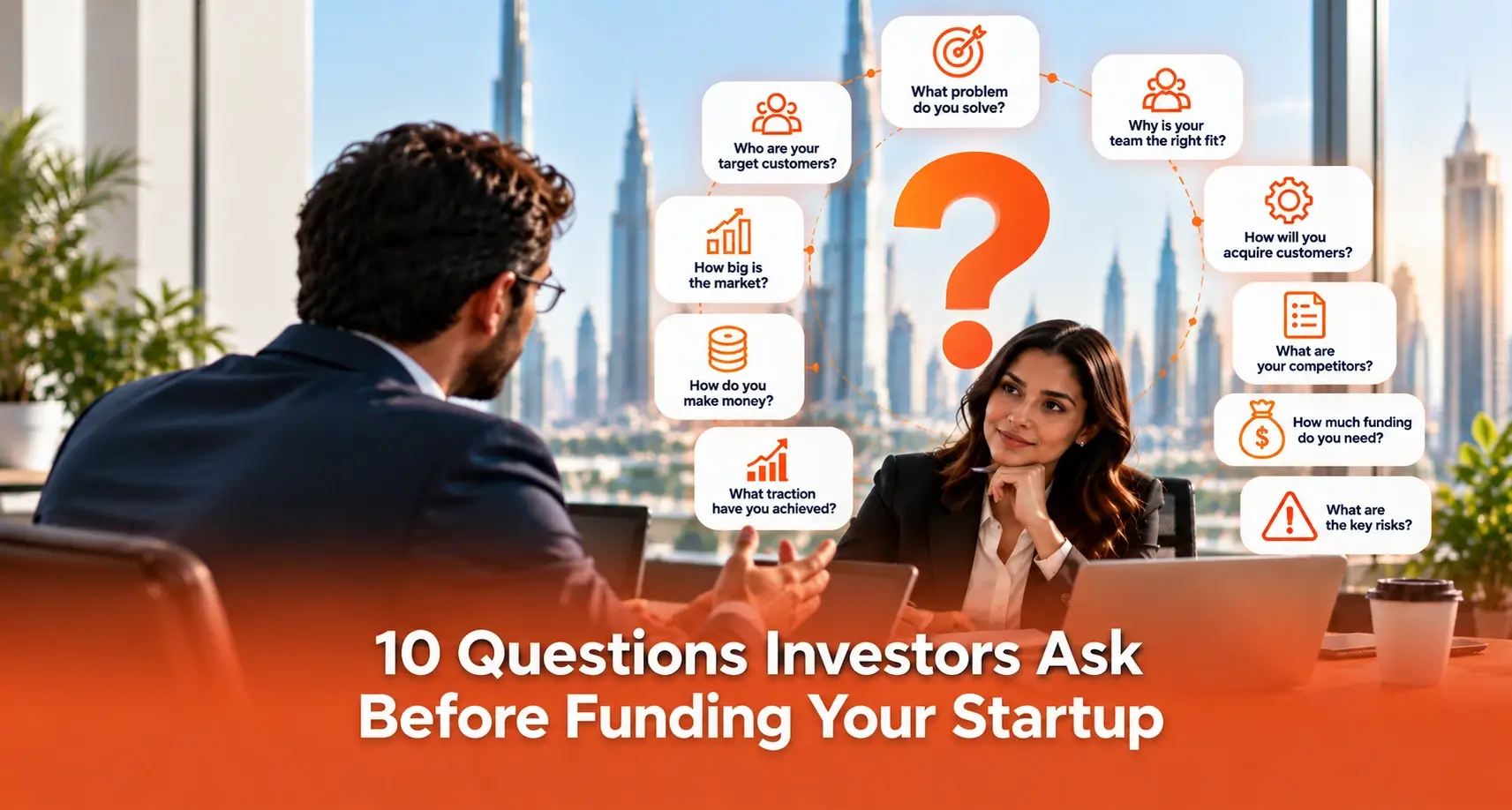
Investor expectations have become increasingly focused on fundamentals. Whether approaching an angel or VC firm, founders should be prepared to demonstrate a clear problem, strong solution, target market, business model, competitive advantage, traction, financial understanding, and realistic use of funds.
Investors also want to understand the founding team. A capable team with relevant expertise and a clear understanding of its market can significantly strengthen a fundraising opportunity.
In 2026, founders should focus on building a credible investment story rather than simply presenting ambitious projections.
How to Choose the Right Funding Partner
Before approaching investors, founders should evaluate their business carefully.
Consider your current stage, funding requirement, growth plans, preferred level of investor involvement, and long term objectives.
Ask yourself:
How much capital do I actually need?
What milestones will the funding help achieve?
Do I need mentorship or industry connections?
Am I prepared for rapid growth expectations?
Would I benefit from an investor who can support future fundraising?
Answering these questions can make the fundraising process more focused and help founders approach investors who are aligned with their goals.
Conclusion: Choose Funding That Fits Your Startup
The debate around angel investors vs venture capitalists is ultimately about finding the right fit rather than choosing a universally better option.
Angel investors can provide valuable early stage support, while venture capital firms can offer substantial resources for companies ready to scale. Both can play an important role in the startup ecosystem.
For founders exploring startup funding options , the smartest approach is to understand what the business needs now and what kind of partnership will support its future. The right investor should not only provide capital but also help create a stronger foundation for sustainable growth.
In 2026, successful fundraising is not simply about securing funding. It is about finding the right capital partner for the journey ahead.
Ready to Find the Right Funding Path?
Choosing between angel investors and venture capital can shape your startup's future. Start Fund Now can help you explore the right funding opportunities for your business.
Connect at +971 54 749 4471 or email info@startfundnow.com
Choose the right funding. Build with confidence. Grow your vision.