Building a successful startup requires more than a strong idea. Founders also need access to capital to develop products, hire talent, enter new markets, and scale operations. However, attracting investors in a competitive funding environment requires a clear strategy, strong preparation, and a compelling business case. Understanding effective startup funding strategies can help entrepreneurs position their businesses for investment and improve their chances of successfully raising capital.
Understand What Investors Look For
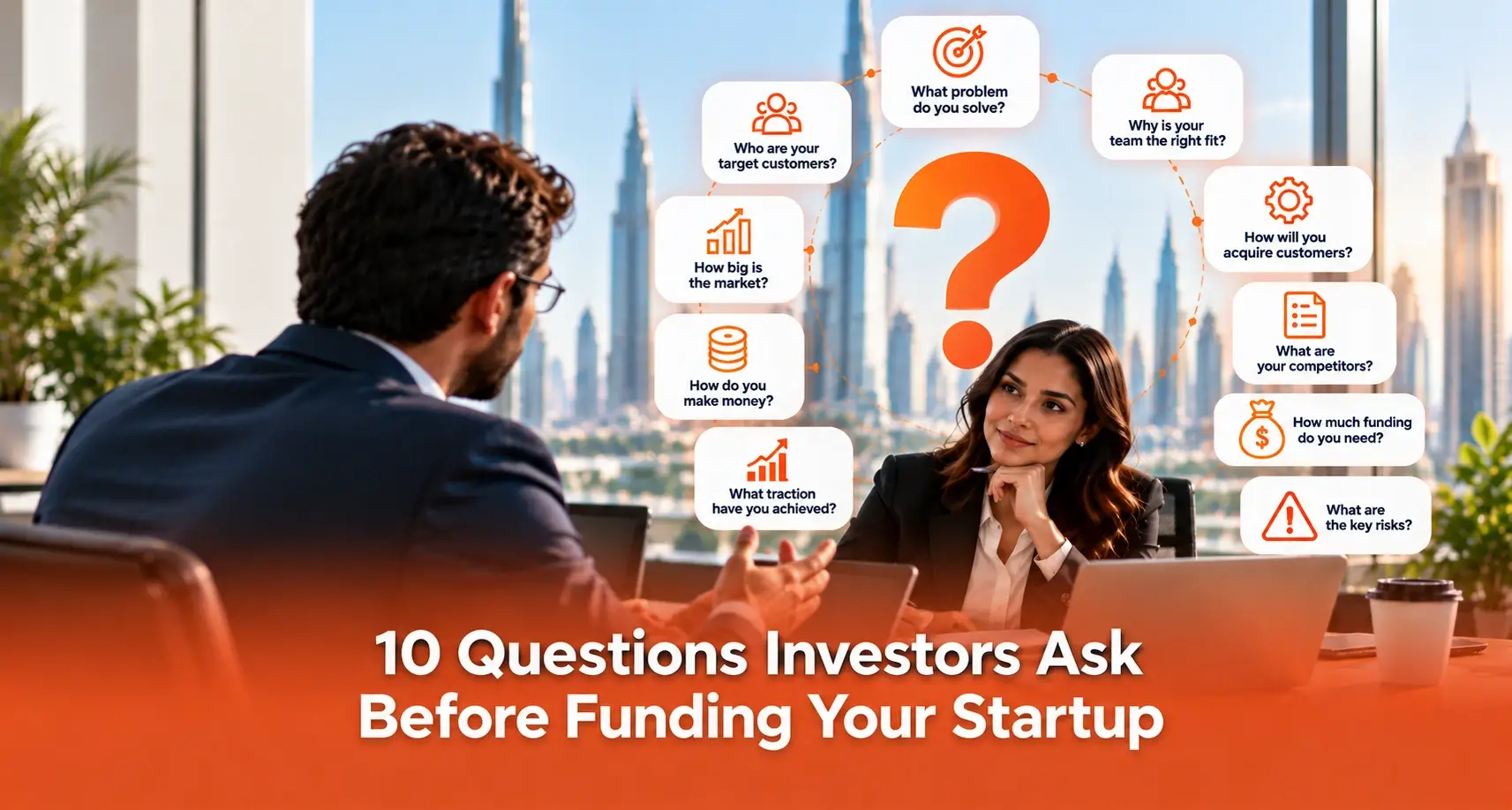
Before approaching investors, founders need to understand what makes a startup attractive from an investment perspective. Investors typically evaluate the market opportunity, business model, revenue potential, competitive advantage, growth prospects, and strength of the founding team.
A promising idea alone may not be enough to generate investor interest. Investors want evidence that customers have a genuine problem, that the startup offers a valuable solution, and that the business has the potential to grow.
Founders should therefore focus on building a clear investment story supported by research, customer validation, financial projections, and measurable progress. This foundation can make raising capital for startups more structured and effective.
Develop a Clear and Scalable Business Model
A strong business model is one of the most important elements of any funding strategy. Investors need to understand how the startup generates revenue, who its customers are, how much they are willing to pay, and how the company can become profitable as it grows.
Founders should clearly define their revenue streams, pricing structure, customer acquisition strategy, operating costs, and long-term financial potential. A scalable model can be particularly attractive because it demonstrates that revenue can grow without costs increasing at the same rate.
Whether the startup operates through subscriptions, transactions, licensing, marketplaces, or another model, the financial logic should be easy for investors to understand.
Validate Your Startup Before Seeking Major Funding
One of the most effective startup funding strategies is to validate the business before seeking significant investment. Market validation provides evidence that the product or service addresses a real demand.
Founders can demonstrate validation through early customers, pilot programs, recurring revenue, user growth, partnerships, customer feedback, or other measurable indicators. Even a small but engaged customer base can strengthen an investment pitch when it demonstrates genuine demand.
Investors are generally more interested in evidence than assumptions. Showing that people are willing to use or pay for a solution can significantly improve the credibility of the business.
Build a Strong Investor-Ready Pitch Deck
A professional pitch deck is essential when developing startup investment strategies . It should communicate the business opportunity quickly while giving investors enough information to understand the company's potential.
A strong pitch deck generally explains the problem, solution, target market, business model, competitive landscape, traction, marketing strategy, financial outlook, funding requirement, and growth plans.
The objective is not to overwhelm investors with information. Instead, the presentation should create a clear narrative showing why the problem matters, why the startup is positioned to solve it, and why investment could generate significant future value.
Choose the Right Funding Option
Not every startup needs the same type of funding. Founders should evaluate their business stage, capital requirements, growth plans, and willingness to give up equity before selecting a funding route.
Potential options include bootstrapping, angel investors, venture capital, strategic investment, crowdfunding, business loans, grants, and other forms of startup financing.
Early-stage businesses may benefit from angel investment or founder-funded growth, while startups demonstrating significant traction and scalability may be better positioned for venture capital. Choosing the right source of capital is therefore an important part of how to raise capital for a startup .
Target the Right Investors
Approaching every investor with the same pitch can reduce the effectiveness of a fundraising campaign. Different investors have different industries, investment stages, geographic preferences, funding sizes, and risk appetites.
Founders should research potential investors before making contact. Understanding an investor's previous portfolio, preferred sectors, typical investment stage, and strategic interests can help determine whether there is a genuine fit.
A targeted approach can also make communication more relevant. Instead of simply asking for funding, founders can explain why their startup aligns with the investor's interests and portfolio.
Demonstrate Traction and Growth Potential
Traction can be one of the strongest tools for building investor interest in startups . Depending on the business model, traction may include revenue growth, customer acquisition, user engagement, retention, partnerships, product adoption, or geographic expansion.
Founders should focus on metrics that demonstrate meaningful progress rather than presenting numbers without context. Investors want to understand not only where the company is today but also how quickly it is improving.
A startup that can demonstrate consistent growth and a strong understanding of its customers may have a stronger position during fundraising discussions.
Create Realistic Financial Projections
Financial projections help investors understand how the startup plans to use capital and generate future growth. Unrealistic forecasts, however, can weaken investor confidence.
Founders should prepare projections based on reasonable assumptions about customer acquisition, pricing, revenue, operating expenses, hiring, and market expansion. It is also important to explain the assumptions behind the numbers.
A well-prepared financial model can show how much funding the startup needs, what milestones the capital will support, and when additional funding may be required.
Use Funding to Achieve Specific Milestones
Successful fundraising should not simply be about obtaining money. Founders should have a clear plan for how the capital will be used.
Funding might support product development, technology infrastructure, hiring, marketing, sales expansion, research, market entry, or operational improvements. Investors are more likely to understand the funding requirement when it is connected to specific business milestones.
For example, instead of saying that a startup needs funding for growth, founders can explain that the investment will help launch a product, acquire a defined number of customers, expand into new markets, or reach a specific revenue milestone.
Build Relationships Before Asking for Investment
Fundraising is often more effective when founders begin building investor relationships before they urgently need capital. Networking with investors, entrepreneurs, accelerators, industry professionals, and startup communities can create valuable connections.
Regular communication can help investors become familiar with the business and its progress. When the startup eventually begins a formal fundraising round, existing relationships may make it easier to start meaningful conversations.
This relationship-driven approach is an important part of modern startup fundraising strategies , particularly in competitive investment markets.
Improve Your Online Presence and Brand
Investors often research startups before agreeing to a meeting. A professional website, clear brand identity, strong founder profiles, credible social media presence, and relevant industry content can help establish trust.
An online presence should communicate what the startup does, who it serves, what makes it different, and how it is progressing. Founders should also ensure that information presented publicly is consistent with their pitch deck and investor communications.
A credible digital presence can reinforce the professionalism of the company and support the broader fundraising strategy.
Avoid Common Fundraising Mistakes
Even a promising startup can struggle to attract investment if the fundraising process is poorly managed. Common mistakes include approaching unsuitable investors, asking for an unclear funding amount, exaggerating market projections, ignoring competition, and failing to explain how investment will be used.
Another common mistake is focusing too heavily on the idea while overlooking execution. Investors want to know whether the founding team has the skills, experience, discipline, and resources needed to turn the idea into a successful business.
Preparation can therefore make a significant difference when founders begin investor conversations.
Startup Funding Strategies Are About More Than Raising Money
The most effective startup funding strategies focus on building a business that investors can understand, evaluate, and believe in. Funding should support a clear growth plan rather than compensate for an unclear business model.
Founders should concentrate on solving a meaningful problem, validating their market, developing a scalable model, tracking measurable performance, and communicating their opportunity effectively.
The goal is not simply to convince an investor to provide capital. It is to demonstrate why the business represents a credible opportunity for long-term growth.
Conclusion: Turning Investor Interest Into Startup Funding
Raising capital can be challenging, but a well-planned approach can make the process more effective. From validating the market and developing a scalable business model to preparing a compelling pitch deck and targeting suitable investors, every stage of the fundraising process contributes to investor confidence.
The most successful founders understand that how to raise capital for a startup is not just about finding investors. It is about creating a business with strong fundamentals and presenting a clear case for why that business can grow.
By combining the right funding strategy with strong execution, founders can improve their ability to attract investors, secure capital, and move their startups toward the next stage of growth.
Ready to Turn Your Startup Into an Investment Opportunity?
The right funding strategy can help transform a promising startup into an investment-ready business. If you are preparing to raise capital, looking for suitable investors, or developing a strategy for your next funding round, Start Fund Now can help you move from planning to action.
Have a startup idea with investment potential?
Looking for the right funding strategy?
Ready to build a stronger investor pitch?
Planning your next funding round?
Call Start Fund Now at +971 54 749 4471 or Email: info@startfundnow.com and take the next step toward building an investment-ready and scalable business.
Explore Your Funding Opportunities Today. Your idea has potential. Let’s help you turn it into an opportunity.